
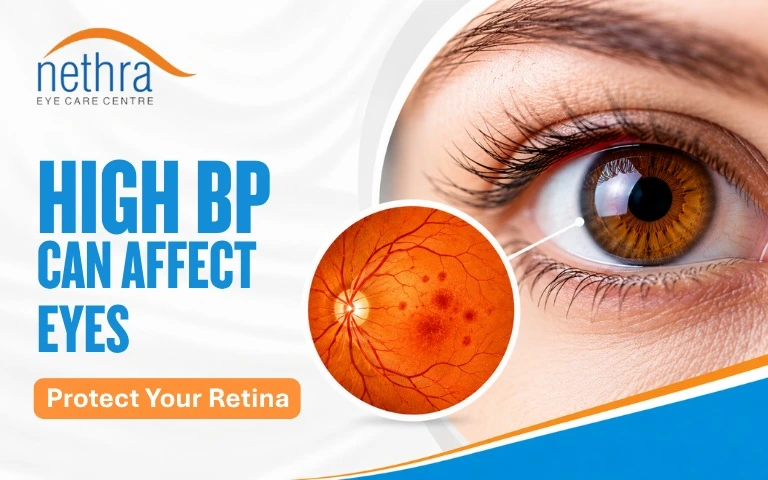
How Does High Blood Pressure Affect the Retina and Vision?
High blood pressure or hypertension, is a common health condition that affects millions of people worldwide. While most people are aware of its impact on the heart, brain and kidneys, many do not realize that it can also cause serious damage to the eyes. The retina, a delicate layer of tissue located at the back of the eye, relies on a healthy blood supply to function properly. When blood pressure remains elevated for a prolonged period, it can damage the retinal blood vessels, leading to vision problems and, in severe cases, permanent vision loss. Because eye-related symptoms may not appear until significant damage has already occurred, regular eye examinations are essential. Visiting the Best Eye Hospital in Thrissur for routine eye checkups can help detect early signs of hypertension-related eye damage and protect your vision before complications develop.
What Is the Retina and Why Is It Important for Vision?
The retina is a thin, light-sensitive layer of tissue located at the back of the eye. It plays a vital role in the visual process by capturing light and converting it into electrical signals that are sent to the brain through the optic nerve.
The retina is responsible for:
- Clear and detailed vision
- Color perception
- Peripheral vision
- Visual processing in different lighting conditions
To function effectively, the retina requires a constant supply of oxygen and nutrients delivered through tiny blood vessels. When high blood pressure damages these vessels, retinal function can become impaired, affecting overall vision quality.
How Does High Blood Pressure Damage the Retina?
High blood pressure places excessive force on the walls of blood vessels throughout the body, including those in the eyes. Over time, this pressure can weaken, narrow, or damage the retinal blood vessels.
As the condition progresses, the following changes may occur:
- Narrowing of retinal arteries
- Thickening of blood vessel walls
- Reduced blood flow to retinal tissues
- Leakage of blood or fluid from damaged vessels
- Formation of retinal swelling
- Increased risk of blocked blood vessels
These changes can interfere with the retinas ability to function normally and may result in vision disturbances if not addressed promptly.
What Is Hypertensive Retinopathy?
Hypertensive retinopathy is the medical term used to describe retinal damage caused by chronic high blood pressure. It develops gradually and may go unnoticed during its early stages.
During an eye examination, an ophthalmologist can identify changes in the retinal blood vessels that indicate hypertension-related damage.
Common signs of hypertensive retinopathy include:
- Narrowed retinal arteries
- Small retinal hemorrhages
- Cotton wool spots caused by reduced blood flow
- Swelling of the retina
- Optic nerve swelling in severe cases
The severity of hypertensive retinopathy often reflects how well a persons blood pressure has been controlled over time. Early diagnosis at the Best Eye Hospital in Thrissur can help prevent progression and preserve vision.
What Symptoms Can High Blood Pressure Cause in the Eyes?
One of the most concerning aspects of hypertension-related eye disease is that many patients experience no symptoms during the early stages.
As retinal damage becomes more advanced, symptoms may include:
- Blurred vision
- Reduced visual clarity
- Difficulty focusing
- Double vision
- Eye strain
- Headaches associated with visual disturbances
- Sudden vision loss in severe cases
Because these symptoms often appear only after significant retinal damage has occurred, regular eye screenings are extremely important, especially for individuals with a history of hypertension.
Can High Blood Pressure Cause Permanent Vision Loss?
Yes. Uncontrolled hypertension can lead to several serious eye complications that may result in permanent vision impairment.
Some of the most significant complications include:
Retinal Vein Occlusion
High blood pressure increases the risk of blockages in retinal veins. When blood flow is interrupted, the retina can become swollen and vision may suddenly deteriorate.
Retinal Artery Occlusion
A blocked retinal artery can deprive retinal tissues of oxygen. This is considered an eye emergency and may lead to severe, irreversible vision loss.
Optic Nerve Damage
Reduced blood supply to the optic nerve can damage nerve fibers responsible for transmitting visual information to the brain.
Macular Edema
Fluid leakage from damaged blood vessels can cause swelling in the macula, the part of the retina responsible for sharp central vision.
These complications highlight the importance of managing blood pressure effectively and undergoing routine eye examinations.
Who Is Most at Risk of Developing Hypertensive Retinopathy?
Although anyone with hypertension can develop retinal damage, certain individuals face a greater risk.
Risk factors include:
- Long-term uncontrolled hypertension
- Diabetes
- Kidney disease
- High cholesterol levels
- Smoking
- Obesity
- Sedentary lifestyle
- Advanced age
- Family history of cardiovascular disease
People with these risk factors should prioritize regular retinal evaluations. Comprehensive eye examinations at the Best Eye Hospital in Thrissur can help identify retinal changes before they become sight-threatening.
How Is Hypertensive Retinopathy Diagnosed?
A comprehensive eye examination is the most effective way to detect hypertensive retinopathy.
Your eye specialist may recommend the following tests:
Dilated Eye Examination
Special eye drops are used to widen the pupils, allowing the doctor to examine the retina and blood vessels in detail.
Fundus Photography
High-resolution images of the retina help document changes and monitor disease progression over time.
Optical Coherence Tomography (OCT)
OCT provides detailed cross-sectional images of the retina and helps identify swelling or structural abnormalities.
Fluorescein Angiography
This test uses a special dye to assess blood circulation within the retinal vessels and identify areas of leakage or blockage.
These diagnostic tools allow ophthalmologists to evaluate the extent of retinal damage and develop an appropriate treatment plan.
Can Retinal Damage from High Blood Pressure Be Treated?
The primary goal of treatment is to control blood pressure and prevent further damage to the retina.
Treatment may include:
- Prescription blood pressure medications
- Dietary modifications
- Regular physical activity
- Weight management
- Smoking cessation
- Cholesterol control
- Diabetes management
In certain cases, additional retinal treatments may be required if complications such as macular edema or retinal vein occlusion develop.
The earlier hypertension is controlled, the better the chances of preventing long-term vision problems.
How Can You Protect Your Eyes from Hypertension-Related Damage?
Preventing retinal damage begins with maintaining overall cardiovascular health.
Here are some important preventive measures:
Monitor Blood Pressure Regularly
Regular monitoring helps ensure that blood pressure remains within a healthy range.
Follow Medical Advice
Take prescribed medications consistently and attend routine medical appointments.
Adopt a Healthy Diet
Include:
- Fresh fruits and vegetables
- Whole grains
- Lean protein sources
- Low-sodium foods
Exercise Frequently
Regular physical activity improves circulation and supports healthy blood pressure levels.
Avoid Smoking
Smoking increases blood vessel damage and significantly raises the risk of eye complications.
Schedule Routine Eye Checkups
Comprehensive eye examinations can detect retinal damage even before symptoms develop. Seeking care at the Best Eye Hospital in Thrissur ensures access to advanced diagnostic technology and specialized eye care.
FAQs
1. Can high blood pressure affect vision even if I feel healthy?
Yes. Hypertension can damage retinal blood vessels without causing noticeable symptoms. Regular eye exams are important even when you feel well.
2. Is blurred vision always caused by hypertensive retinopathy?
No. Blurred vision can occur due to various eye conditions. However, individuals with high blood pressure should have their eyes evaluated promptly.
3. Can lowering blood pressure improve retinal health?
In many cases, controlling blood pressure can prevent further damage and may improve early retinal changes.
4. How often should people with hypertension undergo eye examinations?
Most individuals should have a comprehensive eye examination annually, although your ophthalmologist may recommend more frequent visits depending on your condition.
5. Can hypertensive retinopathy lead to blindness?
If left untreated, severe retinal damage caused by uncontrolled hypertension can result in significant and sometimes permanent vision loss.
Conclusion
High blood pressure does more than affect your heart and blood vessels - it can also have a serious impact on your eyesight. By damaging the delicate blood vessels of the retina, hypertension can lead to blurred vision, retinal swelling, optic nerve damage and even permanent vision loss. Since early stages often develop without symptoms, routine eye examinations play a crucial role in detecting problems before they become severe. Maintaining healthy blood pressure levels, adopting a healthy lifestyle, and scheduling regular eye checkups are essential steps in protecting your vision. If you have hypertension or other risk factors, consulting specialists at the Best Eye Hospital in Thrissur can help ensure early diagnosis, timely treatment and long-term eye health.

 Call
Now
Call
Now

