
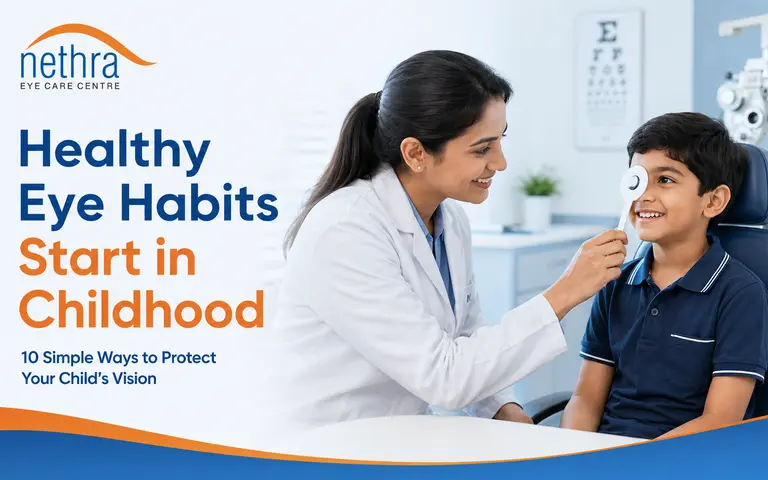
10 Ways to Help Kids Take Care of Their Eyes
Healthy vision supports a child’s learning, coordination, confidence and everyday development. However, children may not always realise or explain that they are having difficulty seeing. Parents can help by encouraging simple eye-care habits and watching for changes in their child’s behaviour.
From managing screen use to arranging regular eye examinations with the Best Eye Doctor in Thrissur, these ten practical steps can help protect your child’s vision.
1. Schedule Regular Eye Examinations
A routine eye examination can identify refractive errors, squint, lazy eye and other concerns that may not have obvious symptoms.
School vision screenings can be helpful, but they may not replace a comprehensive examination by an ophthalmologist. The frequency of eye checks should be based on the child’s age, symptoms, medical history and existing vision needs.
2. Follow the 20-20-20 Rule
Children often use digital devices for lessons, games and entertainment. Encourage them to follow the 20-20-20 rule: after every 20 minutes of screen use, look at something approximately 20 feet away for at least 20 seconds.
These short breaks allow the eyes to relax and may reduce digital eye strain.
3. Maintain a Comfortable Screen Distance
A mobile phone or tablet should not be held too close to the face. Keep computer screens approximately an arm’s length away and position them slightly below eye level.
Increase the text size when necessary instead of allowing the child to move closer to the screen.
4. Encourage Outdoor Activities
Regular outdoor activity gives children a break from prolonged near work and supports their overall well-being. Encourage safe outdoor play, sports or family walks as part of their daily routine.
Children should wear suitable protective eyewear when participating in activities that carry a risk of eye injury.
5. Provide Nutritious, Balanced Meals
A balanced diet supports healthy growth, including eye development. Include green leafy vegetables, carrots, eggs, fruits, pulses, nuts and other sources of essential nutrients in your child’s meals.
No individual food can prevent every eye condition, but a varied diet can contribute to overall eye health.
6. Teach Children Not to Rub Their Eyes
Eye rubbing may worsen irritation and transfer dirt or germs from the hands to the eyes. Teach children to wash their hands regularly and avoid touching their eyes unnecessarily.
If itching, redness or watering continues, consult an eye doctor rather than using eye drops without medical advice.
7. Ensure Proper Lighting While Studying
Children should read and complete schoolwork in a well-lit area. Poor lighting may not permanently damage the eyes, but it can make visual tasks uncomfortable and contribute to tired eyes or headaches.
Position the light so that it illuminates the book without producing glare or strong shadows.
8. Make Sure They Get Enough Sleep
Adequate sleep allows the eyes and body to rest. Lack of sleep can contribute to tired, dry, irritated or heavy-feeling eyes.
Maintaining consistent sleep and bedtime routines may also help reduce late-night screen use.
9. Use Sunglasses and Protective Eyewear
When spending time outdoors, children can wear good-quality sunglasses that provide protection from ultraviolet rays. Hats or caps with a brim can offer additional shade.
Protective glasses are also important during certain sports, science activities or situations involving flying particles and chemicals.
10. Pay Attention to Warning Signs
Children may adapt to poor vision without complaining. Parents and teachers should watch for signs such as:
- Frequent squinting or blinking
- Sitting very close to screens
- Holding books close to the face
- Covering or closing one eye
- Tilting the head while looking
- Frequent headaches
- Repeated eye rubbing
- Difficulty reading or copying from the board
- Poor hand-eye coordination
- Avoiding visually demanding activities
These behaviours do not confirm an eye disorder, but they indicate that an examination may be helpful.
When Should Your Child See an Eye Doctor?
Arrange an eye examination if your child reports blurred or double vision, eye pain, persistent redness, light sensitivity or difficulty seeing at school. Sudden vision loss, an eye injury or chemical exposure requires immediate medical attention.
Parents searching for the Best Eye Doctor in Thrissur should consider qualifications, experience in children’s eye care, diagnostic facilities and the ability to provide age-appropriate treatment.
Conclusion
Good eye-care habits established during childhood can support comfortable vision for years to come. Regular breaks from screens, outdoor activity, balanced nutrition, proper lighting and timely examinations all play an important role.
If you notice changes in your child’s vision or behaviour, schedule a comprehensive eye examination at Nethra Eye Care Centre in Thrissur for appropriate evaluation and personalised guidance.

 Call
Now
Call
Now

