
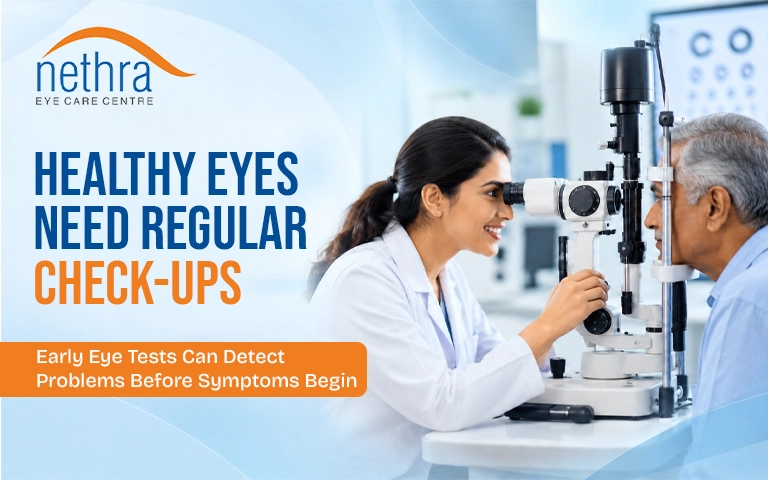
What Eye Tests Can Detect Problems Before You Notice Vision Changes?
Many people visit an eye doctor only after noticing blurred vision, headaches or difficulty seeing clearly. However, some eye conditions can develop slowly without obvious symptoms in the early stages.
A regular comprehensive eye examination can help identify changes in eye health before they start affecting daily vision. These preventive check-ups allow ophthalmologists to detect conditions early and recommend appropriate care when needed.
From checking your vision to examining the retina and optic nerve, different eye screening tests provide valuable information about the overall health of your eyes.
If you are looking for a reliable place for preventive eye care, consulting the Best Eye Hospital in Thrissur can help you understand your eye health and maintain clear vision.
Why Are Regular Eye Examinations Important?
Your eyes can sometimes show signs of health problems before noticeable vision changes occur. Conditions such as glaucoma, diabetic eye disease and certain retinal problems may progress gradually without early warning symptoms.
A preventive eye check-up helps:
Detect eye conditions at an early stage
Monitor existing eye problems
Identify changes in vision power
Evaluate eye pressure and internal structures
Protect long-term vision
Early detection gives your eye specialist more options to manage conditions effectively.
What Is Included in a Comprehensive Eye Examination?
A comprehensive eye examination involves multiple tests that evaluate different parts of your eye.
The tests recommended may vary depending on your age, symptoms, medical history and risk factors.
Common assessments include:
Vision Test: Checking Your Visual Clarity
A vision test is one of the basic parts of an eye examination. It measures how clearly you can see objects at different distances.
This test helps detect:
Nearsightedness (myopia)
Farsightedness (hyperopia)
Astigmatism
Changes in spectacle power
Even small changes in vision can affect reading, driving, working and other daily activities.
Eye Pressure Test: Screening for Glaucoma
An eye pressure test measures the pressure inside your eye.
Raised eye pressure can be associated with glaucoma, a condition that affects the optic nerve. Since glaucoma may not cause noticeable symptoms in the early stages, regular pressure checks are important for people at risk.
Eye pressure measurement is usually quick and forms an important part of preventive eye screening.
Retina Examination: Checking the Back of the Eye
The retina is the light-sensitive layer at the back of the eye that helps you see.
A retina examination allows the ophthalmologist to check for changes related to:
Diabetic eye disease
Retinal tears or changes
Age-related retinal conditions
Other abnormalities affecting vision
A healthy retina is essential for maintaining good vision.
Optic Nerve Assessment: Monitoring Eye Health
The optic nerve carries visual information from the eye to the brain. Damage to this nerve can affect vision permanently.
An optic nerve assessment helps doctors evaluate signs of glaucoma and other optic nerve-related conditions.
Advanced imaging tests may also be recommended to examine the optic nerve and retinal layers in greater detail.
Can Eye Screening Tests Detect Problems Without Symptoms?
Yes. Some eye diseases may progress quietly before noticeable vision loss occurs.
For example:
Glaucoma
Glaucoma can gradually damage the optic nerve. Many patients may not notice changes until the disease has progressed.
Diabetic Eye Disease
People with diabetes may develop changes in the blood vessels of the retina. Regular eye examinations help detect these changes early.
Cataracts
Cataracts usually develop gradually and may initially cause only mild changes in vision quality.
Retinal Conditions
Some retinal problems may require early attention to reduce the risk of serious vision changes.
Who Should Get a Preventive Eye Check-Up?
Regular eye examinations are beneficial for people of all ages. However, some groups may need more frequent monitoring.
You should consider regular eye screening if you:
Are above the recommended age for routine eye checks
Have diabetes or high blood pressure
Have a family history of glaucoma or eye diseases
Spend many hours using digital screens
Wear glasses or contact lenses
Notice changes in vision
Have had previous eye problems or injuries
Children and young adults may also benefit from eye examinations to detect vision problems that can affect learning and daily activities.
How Often Should You Have an Eye Examination?
The frequency of eye check-ups depends on your age, eye health and risk factors.
People with existing eye conditions or higher risk factors may require more frequent visits, while others may follow routine screening schedules recommended by their ophthalmologist.
Your eye specialist can suggest the right examination schedule based on your individual needs.
Why Choose Nethra Eye Care for Eye Screening?
Nethra Eye Care provides comprehensive eye evaluation and treatment services supported by modern diagnostic facilities and experienced ophthalmologists.
A detailed eye examination helps identify potential concerns early and allows doctors to create personalised care plans based on each patient's eye health.
Patients looking for the Best Eye Hospital in Thrissur can consult Nethra Eye Care for preventive eye check-ups and specialised eye care services.
Frequently Asked Questions
1. Can an eye test detect diseases before vision changes?
Yes. Many eye conditions can be detected through regular examinations before noticeable symptoms appear.
2. What is included in a comprehensive eye examination?
A comprehensive eye examination may include vision testing, eye pressure measurement, retina evaluation and optic nerve assessment.
3. Is an eye pressure test painful?
Eye pressure testing is generally a quick procedure and is usually not painful.
4. How often should I get my eyes checked?
The frequency depends on your age, medical history and eye health. Your ophthalmologist can recommend a suitable schedule.
5. Are eye check-ups only needed when I have vision problems?
No. Preventive eye examinations help detect hidden problems even when your vision appears normal.
Protect Your Vision With Preventive Eye Care
Regular eye examinations are an important part of maintaining lifelong vision health. Many eye conditions can be managed more effectively when detected early through proper screening.
Do not wait until vision problems affect your daily activities. Schedule a comprehensive eye examination at Nethra Eye Care and take proactive steps towards protecting your eyesight.

 Call
Now
Call
Now

