
Can Glaucoma Be Detected During a Routine Eye Checkup?
Glaucoma is one of the leading causes of irreversible blindness worldwide, affecting millions of people every year. What makes this condition particularly dangerous is that it often develops silently, without causing noticeable symptoms in its early stages. Many people believe their eyes are healthy as long as they can see clearly, but glaucoma can gradually damage the optic nerve long before vision problems become apparent. The optic nerve plays a vital role in transmitting visual information from the eye to the brain. When glaucoma damages this nerve, vision loss occurs permanently. Unlike some eye conditions, the vision lost due to glaucoma cannot usually be restored, making early detection extremely important. Fortunately, routine eye examinations can help identify glaucoma before significant damage occurs. Through specialized diagnostic tests, ophthalmologists can detect subtle changes in the eye and begin treatment early. Timely diagnosis and appropriate Glaucoma treatment in Thrissur can help preserve vision, slow disease progression and reduce the risk of severe visual impairment.
Could You Have Glaucoma Right Now Without Knowing It?
One of the biggest challenges with glaucoma is that many people have the condition without realizing it. The most common type, open-angle glaucoma, develops gradually and usually affects peripheral vision first. Because central vision remains clear in the early stages, patients often continue their normal activities without noticing any changes.
You may be at risk if:
- You are above 40 years of age.
- You have a family history of glaucoma.
- You have diabetes or high blood pressure.
- You have experienced previous eye injuries.
- You use steroid medications regularly.
Since glaucoma can progress silently for years, relying on symptoms alone can be dangerous. Regular eye checkups are often the only way to detect the disease early. Early diagnosis followed by effective Glaucoma treatment in Thrissur can significantly improve the chances of preserving healthy vision.
Why Should Not You Wait for Symptoms Before Getting Checked?
Many people seek medical care only when they experience discomfort or noticeable symptoms. However, glaucoma is different because it often causes no pain, redness or obvious warning signs until considerable damage has already occurred.
Waiting for symptoms can lead to:
- Progressive vision loss
- Permanent optic nerve damage
- Reduced treatment effectiveness
- Increased risk of blindness
- Greater impact on daily life
The vision lost due to glaucoma cannot typically be recovered. This is why preventive eye care is essential. Regular screenings allow ophthalmologists to identify glaucoma before noticeable symptoms appear, providing the best opportunity to protect long-term vision.
How Can a Routine Eye Checkup Reveal Hidden Signs of Glaucoma?
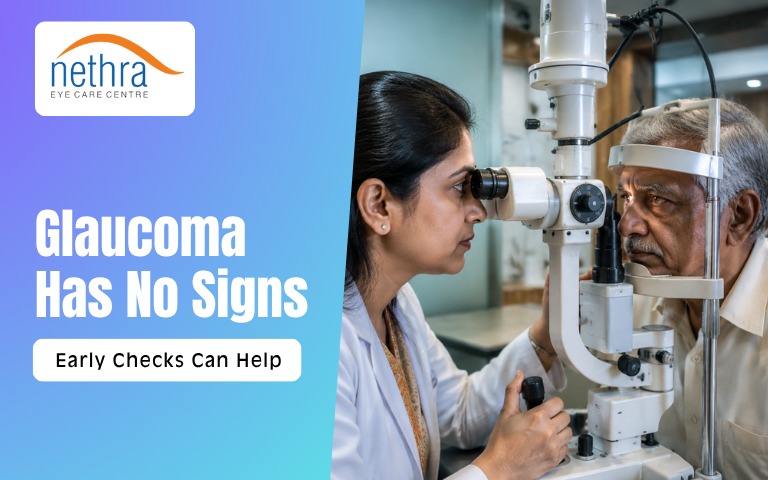
A comprehensive eye examination involves much more than checking whether you need glasses. Several diagnostic tests help detect glaucoma and assess overall eye health.
Intraocular Pressure Measurement
This test measures the pressure inside the eye. Elevated eye pressure is a major risk factor for glaucoma and often serves as an important warning sign.
Optic Nerve Examination
The ophthalmologist examines the optic nerve for structural changes or damage commonly associated with glaucoma.
Visual Field Testing
This assessment helps detect peripheral vision loss and blind spots that may indicate early glaucoma.
Corneal Thickness Measurement
Measuring corneal thickness helps ensure accurate interpretation of eye pressure readings and assists in risk assessment.
Optical Coherence Tomography (OCT)
OCT scans provide detailed images of the optic nerve and retinal nerve fibers, helping detect glaucoma-related damage at a very early stage.
These advanced diagnostic techniques enable specialists to diagnose glaucoma early and recommend appropriate Glaucoma treatment in Thrissur before irreversible vision loss occurs.
Are You at Greater Risk Than You Think?
Although glaucoma can affect anyone, certain individuals face a significantly higher risk of developing the condition.
Age
The likelihood of glaucoma increases with age, particularly after 40 years.
Family History
Individuals with close relatives who have glaucoma are more likely to develop the condition themselves.
Diabetes and Hypertension
These health conditions may increase the risk of glaucoma and other eye diseases.
High Myopia
People with severe nearsightedness may be more susceptible to glaucoma.
Long-Term Steroid Use
Extended use of steroid medications can increase eye pressure and contribute to glaucoma development.
Previous Eye Injuries
Eye trauma can lead to secondary glaucoma, sometimes years after the original injury.
People with one or more of these risk factors should undergo regular eye examinations to ensure early detection and proper management.
What Happens If Glaucoma Is Found During an Eye Checkup?
A glaucoma diagnosis does not mean blindness is inevitable. In fact, early detection often leads to successful long-term management.
Treatment options may include:
Prescription Eye Drops
These help reduce eye pressure by improving fluid drainage or decreasing fluid production within the eye.
Oral Medications
Additional medications may be prescribed when further pressure control is required.
Laser Procedures
Laser treatments can improve drainage and help lower intraocular pressure.
Surgical Treatment
In advanced cases, surgery may be recommended to create new drainage pathways and better control eye pressure.
The goal of treatment is to prevent further optic nerve damage and preserve the vision that remains. Modern glaucoma management strategies have helped many patients maintain healthy vision for years.
Can Early Detection Truly Save Your Sight?
The simple answer is yes. Early detection is the most effective way to prevent glaucoma-related blindness. Since glaucoma damage is generally irreversible, preserving existing vision is the primary goal of treatment.
Benefits of early diagnosis include:
- Better long-term visual outcomes
- Slower disease progression
- Reduced risk of severe vision loss
- Improved quality of life
- Greater treatment success rates
Patients diagnosed in the early stages often maintain functional vision throughout their lives with proper treatment and regular follow-up care.
FAQs
1. Can glaucoma be detected during a regular eye checkup?
Yes. Comprehensive eye examinations include tests that can identify glaucoma before symptoms become noticeable.
2. How often should adults get screened for glaucoma?
Adults over 40 and individuals with risk factors should undergo regular eye examinations as recommended by their ophthalmologist.
3. Is glaucoma testing painful?
No. Most glaucoma screening tests are painless, quick and non-invasive.
4. Can glaucoma be cured completely?
Glaucoma cannot usually be cured, but it can be effectively managed to slow progression and protect vision.
5. What is the best way to prevent glaucoma-related blindness?
Routine eye examinations, early diagnosis and consistent treatment remain the most effective ways to preserve eyesight.
Conclusion
Glaucoma is a serious eye condition that often develops silently, making routine eye examinations essential for early detection. Since vision loss caused by glaucoma is usually irreversible, identifying the disease before symptoms appear offers the best chance of preserving long-term eye health. Comprehensive eye checkups can detect subtle signs of optic nerve damage and elevated eye pressure, allowing timely intervention before significant vision loss occurs. If you are over 40, have diabetes, a family history of glaucoma or other risk factors, regular screenings should be a priority. Seeking expert Glaucoma treatment in Thrissur can help ensure early diagnosis, personalized care and effective disease management. With proper monitoring and timely Glaucoma treatment in Thrissur, many individuals can successfully protect their vision and maintain a better quality of life for years to come.

 Call
Now
Call
Now

