
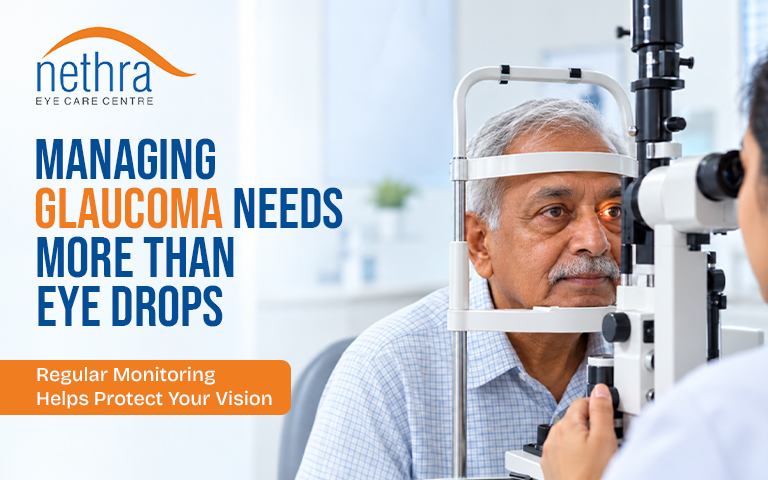
Can Glaucoma Get Worse Even When You Use Your Eye Drops Regularly?
Glaucoma is a progressive eye condition that can damage the optic nerve and gradually affect vision. Many people diagnosed with glaucoma follow their treatment routine carefully, including using prescribed glaucoma eye drops regularly. However, some patients may still experience changes in their eye health over time.
This happens because glaucoma management is not only about controlling eye pressure but also about continuously monitoring how the optic nerve responds to treatment. Regular follow-ups and timely treatment adjustments play an important role in protecting vision.
If you are undergoing Glaucoma Treatment in Thrissur, understanding why monitoring is necessary can help you take better care of your eye health.
How Does Glaucoma Treatment Work?
The primary goal of glaucoma treatment is to reduce pressure inside the eye and slow down damage to the optic nerve. Eye drops are commonly prescribed because they help lower intraocular pressure (IOP) by either reducing fluid production inside the eye or improving fluid drainage.
While glaucoma eye drops can effectively control eye pressure for many patients, they may not completely stop disease progression in every case.
Glaucoma affects each person differently, and the required treatment approach depends on factors such as the severity of optic nerve damage, eye pressure levels and overall eye health.
Why Can Glaucoma Progress Despite Regular Eye Drops?
Using eye drops consistently is an important part of glaucoma management, but several factors can influence how the disease progresses.
Some patients may experience optic nerve damage even when their eye pressure appears controlled. This is because the optic nerve may remain sensitive to pressure changes, or other factors such as reduced blood flow to the optic nerve may contribute to progression.
In some cases, the current medication may no longer provide enough control, making treatment adjustment necessary.
Why Is Glaucoma Follow-Up Important?
Glaucoma is often called a “silent” eye disease because vision loss can occur gradually without noticeable symptoms in the early stages.
Regular glaucoma follow-up appointments allow your ophthalmologist to track changes before significant vision loss occurs.
During follow-ups, your doctor evaluates:
- Changes in eye pressure levels
- Condition of the optic nerve
- Visual field changes
- Effectiveness of current treatment
- Signs of glaucoma progression
These assessments help determine whether your current treatment plan continues to protect your vision effectively.
What Tests Are Done During Glaucoma Monitoring?
Regular monitoring involves different glaucoma eye tests that provide information about disease progression.
Eye Pressure Measurement
Tonometry measures the pressure inside the eye and helps assess whether treatment is controlling intraocular pressure effectively.
Visual Field Test
A visual field test checks your peripheral vision and helps identify areas affected by glaucoma damage.
Optic Nerve Examination
The ophthalmologist examines the optic nerve to detect structural changes that may indicate progression.
OCT Eye Scan
Optical Coherence Tomography (OCT) creates detailed images of the optic nerve and retinal layers, helping doctors monitor subtle changes over time.
Can Glaucoma Treatment Be Adjusted Over Time?
Yes. Glaucoma treatment is personalised and may need changes based on how your eyes respond.
If eye drops are not controlling glaucoma progression effectively, your ophthalmologist may consider options such as changing medications, adding additional drops, laser procedures or surgical treatments depending on your condition.
Treatment decisions are based on regular evaluations rather than a single eye pressure reading.
How Can You Protect Your Vision With Glaucoma?
Following your treatment schedule and attending regular appointments are the most important steps in managing glaucoma.
You can support your eye health by:
- Using glaucoma eye drops exactly as prescribed
- Not skipping follow-up appointments
- Informing your doctor about any side effects
- Monitoring changes in vision
- Maintaining regular eye examinations
Early detection of changes allows your ophthalmologist to modify treatment before significant vision loss occurs.
Nethra Eye Care provides comprehensive eye evaluation and management for glaucoma, helping patients receive personalised care based on their eye condition. Patients looking for Glaucoma Treatment in Thrissur can consult experienced eye specialists for diagnosis, monitoring and ongoing care.
Frequently Asked Questions
1. Can glaucoma worsen even if I use eye drops daily?
Yes. Eye drops help control glaucoma, but some patients may still experience progression. Regular monitoring helps identify changes early.
2. How often should I have glaucoma follow-ups?
The frequency depends on the severity of glaucoma and your doctor's recommendation. Regular reviews are essential to monitor disease changes.
3. Can controlled eye pressure stop glaucoma completely?
Controlled eye pressure can slow progression, but glaucoma requires lifelong monitoring because optic nerve damage may continue in some cases.
4. What happens if glaucoma eye drops stop working?
Your ophthalmologist may adjust your medications or recommend additional treatment options based on your eye condition.
5. Can glaucoma vision loss be reversed?
Vision loss caused by glaucoma is usually permanent. However, early diagnosis and proper management can help protect remaining vision.
Protect Your Vision With Regular Glaucoma Care
Glaucoma management is a long-term journey that requires more than just using eye drops. Regular eye examinations, follow-up tests and timely treatment adjustments are essential to reduce the risk of vision loss.
If you notice changes in your vision or have been diagnosed with glaucoma, consult Nethra Eye Care for expert guidance and personalised Glaucoma Treatment in Thrissur.

 Call
Now
Call
Now

