
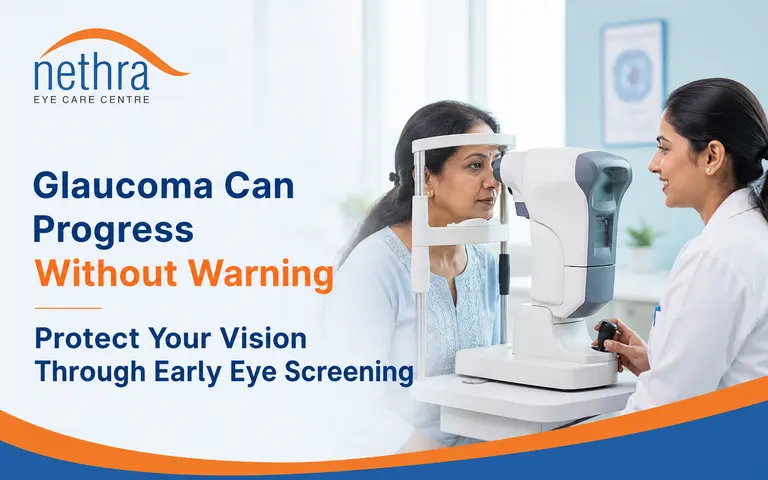
Could Glaucoma Be Affecting Your Vision Without You Knowing
Glaucoma can gradually damage your vision without causing noticeable symptoms during its early stages. It affects the optic nerve, which carries visual information from the eye to the brain. Because the damage often begins slowly, many people may not realise they have glaucoma until significant vision loss has occurred.
Regular examinations by an Eye Specialist in Thrissur can help detect early changes and protect your remaining vision through timely treatment.
Why Is Glaucoma Called the Silent Thief of Sight?
Glaucoma is known as the “silent thief of sight” because its most common form usually develops without pain or obvious early symptoms.
Open-angle glaucoma typically affects peripheral or side vision first. Since central vision may remain clear during the early stages, everyday activities such as reading or using a mobile phone may not initially appear difficult. The brain may also adapt to small gaps in the visual field, making the changes harder to notice.
The CDC reports that many people with glaucoma are unaware they have the condition, highlighting the importance of regular eye screening.
What Are the Possible Signs of Glaucoma?
Although glaucoma may not produce early warning signs, some people may eventually experience:
Gradual loss of side vision
Difficulty seeing objects at the edge of vision
Patchy blind spots
Trouble adjusting to dim lighting
Blurred or hazy vision
Halos around lights
Frequent changes in vision
Difficulty navigating stairs or crowded spaces
These symptoms can also occur with other eye conditions. Therefore, a detailed examination by an Eye Specialist in Thrissur is necessary to identify the exact cause.
Who Has a Higher Risk of Developing Glaucoma?
Anyone can develop glaucoma, but the risk may be higher among people who:
Are over 40 years of age
Have a family history of glaucoma
Have high pressure inside the eyes
Have diabetes or high blood pressure
Use corticosteroid medicines for prolonged periods
Have severe short-sightedness or long-sightedness
Have experienced an eye injury
Have undergone previous eye surgery
People with these risk factors should discuss how frequently they need comprehensive eye examinations with their ophthalmologist.
Can Normal Eye Pressure Rule Out Glaucoma?
No. Glaucoma can sometimes develop even when eye pressure is within the expected range. This is known as normal-tension glaucoma.
Checking eye pressure alone may not be enough to rule out the condition. A comprehensive glaucoma assessment may include an eye-pressure test, optic nerve examination, visual-field test, corneal thickness measurement and optical coherence tomography.
These tests help an eye doctor identify optic nerve damage and monitor whether the condition is progressing.
Can Vision Lost From Glaucoma Be Restored?
Vision already lost due to glaucoma usually cannot be recovered. However, early diagnosis and proper treatment can help slow or prevent further damage.
Depending on the type and severity of glaucoma, treatment may include prescription eye drops, laser procedures or surgery. Patients should use their medication exactly as advised and attend regular follow-up appointments, even when their vision appears normal.
When Does Glaucoma Require Emergency Care?
Sudden severe eye pain, redness, blurred vision, headache, nausea, vomiting or coloured halos around lights may indicate acute angle-closure glaucoma. This is a medical emergency requiring immediate assessment.
Do not wait for the symptoms to improve on their own. Prompt treatment is necessary to reduce the risk of permanent vision loss.
Conclusion
Glaucoma may be affecting your eyes long before you notice any change in vision. Routine eye examinations remain one of the most effective ways to identify the condition early.
If you have glaucoma risk factors or have not undergone a recent comprehensive eye check-up, consult an experienced Eye Specialist in Thrissur at Nethra Eye Care Centre. Early detection, regular monitoring and appropriate treatment can help protect your vision for the future.

 Call
Now
Call
Now

