
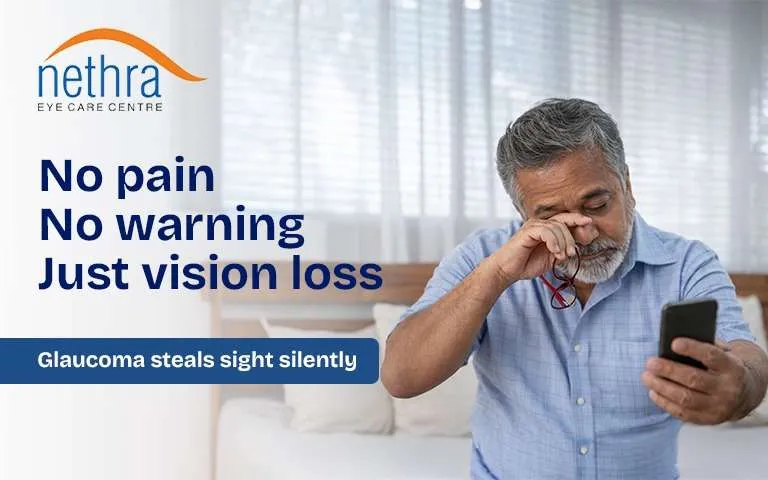
Is Glaucoma the “Silent Thief of Sight” - and Are You at Risk?
Glaucoma is widely known as the “silent thief of sight” because it gradually damages vision without obvious warning signs in its early stages. Unlike many other eye conditions, glaucoma progresses quietly, often going unnoticed until irreversible vision loss has already occurred. The condition primarily affects the optic nerve, which plays a vital role in transmitting visual signals from the eye to the brain. Seeking timely Glaucoma Treatment in Thrissur is essential to detect the condition early, slow its progression and protect long-term vision.
What Is Glaucoma and Why Is It Dangerous?
Glaucoma is not a single disease but a group of eye disorders that lead to progressive optic nerve damage. This damage is often associated with increased intraocular pressure (IOP), although it can also occur even with normal eye pressure.
What makes glaucoma particularly dangerous:
- Irreversible damage: Once the optic nerve is damaged, vision loss cannot be restored
- Gradual progression: It worsens slowly over time without noticeable symptoms
- Late detection risk: Many patients are diagnosed only in advanced stages
- Impact on daily life: Loss of peripheral vision affects mobility, driving and independence
Early intervention through Glaucoma Treatment in Thrissur can help control eye pressure and prevent further deterioration.
Why Is It Called the “Silent Thief of Sight”?
The nickname “silent thief” comes from the way glaucoma affects vision:
- No early symptoms: Most people experience no pain or discomfort
- Peripheral vision loss: Vision loss begins at the edges and progresses inward
- Brain compensation: The brain often fills in missing visual gaps, masking the problem
- Sudden realization: Many notice only when central vision is affected
This silent progression highlights the importance of regular eye screenings, especially for high-risk individuals.
Who Is at Risk of Developing Glaucoma?
Glaucoma can affect anyone, but certain groups are more vulnerable:
- Age factor: Individuals above 40 years are at higher risk
- Family history: Genetics significantly increases susceptibility
- Medical conditions: Diabetes, hypertension and heart disease
- High intraocular pressure: A major risk indicator
- Prolonged steroid use: Can increase eye pressure over time
- Thin cornea or eye injuries: Structural factors that elevate risk
People in these categories should prioritize routine eye exams and consider preventive care options like Glaucoma Treatment in Thrissur.
What Are the Early Signs You Should Watch For?
In most cases, glaucoma does not present obvious early symptoms. However, some subtle signs may include:
- Gradual narrowing of peripheral (side) vision
- Difficulty adjusting to low light
- Blurred or hazy vision in later stages
- Seeing halos around lights
- Eye pain, nausea or redness (in acute angle-closure glaucoma)
Since symptoms are often absent, relying on regular check-ups is far more effective than waiting for warning signs.
How Is Glaucoma Diagnosed?
Early and accurate diagnosis is key to managing glaucoma effectively. Eye specialists use a combination of tests:
- Tonometry: Measures intraocular pressure
- Ophthalmoscopy: Examines the optic nerve for damage
- Perimetry (visual field test): Detects loss of peripheral vision
- Gonioscopy: Checks the drainage angle of the eye
- OCT scan: Provides detailed imaging of optic nerve fibers
These tests help detect glaucoma even before symptoms appear, enabling timely treatment.
What Treatment Options Are Available?
Although glaucoma cannot be cured, it can be managed effectively to prevent further vision loss. Treatment focuses on lowering eye pressure and protecting the optic nerve.
Common treatment options include:
- Medicated eye drops: First-line treatment to reduce eye pressure
- Oral medications: Used in certain cases to support pressure control
- Laser therapy: Improves fluid drainage from the eye
- Surgical procedures: Recommended for advanced or uncontrolled cases
Choosing the right Glaucoma Treatment in Thrissur ensures access to advanced technology, expert care and personalized treatment plans.
FAQs
1. Can glaucoma lead to permanent blindness?
Yes, untreated glaucoma can cause irreversible blindness. Early diagnosis is critical to prevent severe vision loss.
2. Is glaucoma only related to high eye pressure?
Not always. Some people develop glaucoma even with normal eye pressure, known as normal-tension glaucoma.
3. How quickly does glaucoma progress?
It usually progresses slowly, but the rate can vary depending on the type and severity of the condition.
4. Can lifestyle changes help manage glaucoma?
Yes, maintaining a healthy lifestyle, managing systemic conditions and regular check-ups can support treatment outcomes.
5. Is glaucoma treatment lifelong?
In most cases, yes. Continuous monitoring and treatment are required to keep the condition under control.
Conclusion
Glaucoma truly deserves its title as the “silent thief of sight” due to its hidden progression and irreversible impact on vision. The good news is that with early detection, regular monitoring and timely intervention, vision loss can be significantly slowed or prevented. Opting for expert Glaucoma Treatment in Thrissur ensures that you receive the right diagnosis and care at the right time. Don’t wait for symptoms to appear - prioritize your eye health today to safeguard your vision for the future.

 Call
Now
Call
Now

