
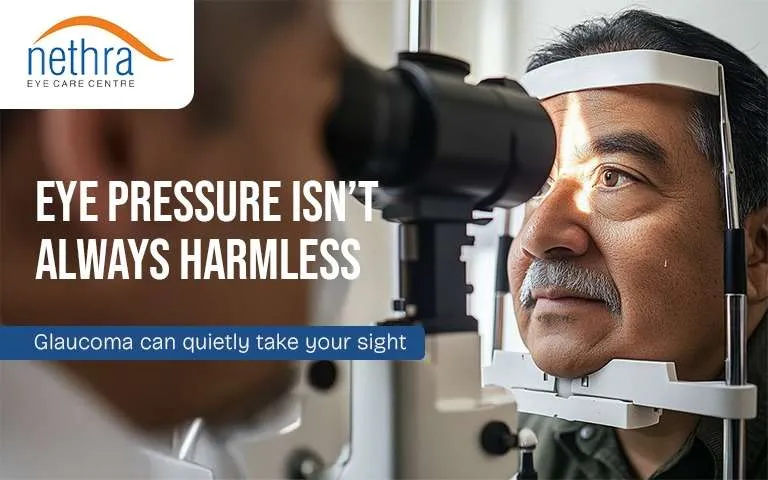
What If Your Eye Pressure Is Silently Damaging Your Vision?
Vision loss doesn’t always happen suddenly - sometimes, it develops quietly without any obvious warning signs. One of the most overlooked causes is increased eye pressure, which can slowly damage the optic nerve and lead to permanent vision loss if left untreated. This condition is often associated with glaucoma and is known as the “silent thief of sight” because it progresses without pain in many cases. Visiting an Eye hospital in Mala for regular eye screenings can help detect abnormal eye pressure early and protect your vision. Awareness and timely action are essential to prevent long-term complications and maintain healthy eyesight.
What Is Eye Pressure and Why Does It Matter?
Eye pressure or intraocular pressure (IOP), is the balance between the fluid produced and drained inside your eye. Maintaining this balance is crucial for the eye’s normal function.
- Normal IOP keeps the eye structure stable
- Increased pressure puts stress on the optic nerve
- Long-term pressure buildup can lead to irreversible damage
Routine check-ups at an Eye hospital in Mala can help monitor these levels and identify risks before they progress into serious conditions.
How Can High Eye Pressure Damage Your Vision?
High eye pressure damages vision gradually, often without noticeable symptoms in the early stages.
- The optic nerve, which transmits visual signals to the brain, gets damaged
- Peripheral (side) vision is affected first
- Over time, central vision may also become impaired
Since the damage is permanent, early diagnosis plays a critical role. Advanced diagnostic tools available at an Eye hospital in Mala can detect even the slightest changes in eye health.
What Are the Warning Signs You Should Not Ignore?
While many people experience no early symptoms, some may notice subtle warning signs as the condition progresses:
- Frequent headaches or pressure around the eyes
- Blurred or fluctuating vision
- Halos or rainbow-colored rings around lights
- Difficulty adjusting to low-light conditions
- Sudden loss of side vision in severe cases
If you notice any of these symptoms, seeking immediate care at an Eye hospital in Mala can prevent further vision deterioration.
Who Is at Risk of Developing High Eye Pressure?
Certain individuals are more prone to developing high eye pressure and related conditions.
- People over the age of 40
- Those with a family history of glaucoma
- Individuals with diabetes or hypertension
- Long-term steroid users
- People with high screen time and poor eye care habits
For these groups, regular screenings are not optional - they are essential for preserving vision.
How Is High Eye Pressure Detected and Managed?
Modern eye care makes it easier than ever to detect and manage high eye pressure effectively.
- Tonometry tests measure intraocular pressure
- Visual field tests check peripheral vision loss
- OCT scans evaluate optic nerve damage
- Treatment options include medicated eye drops, oral medications, laser therapy or surgery
Specialists at an Eye hospital in Mala create personalized treatment plans to control eye pressure and prevent further damage, ensuring long-term eye health.
FAQs
1. Can high eye pressure develop without symptoms?
Yes, it often progresses silently, which is why regular eye exams are crucial.
2. Is high eye pressure always dangerous?
Not always, but if left untreated, it can lead to glaucoma and vision loss.
3. How frequently should I get my eyes checked?
At least once a year or more often if you are at higher risk.
4. Can lifestyle changes help manage eye pressure?
Yes, maintaining a healthy lifestyle, reducing stress and limiting screen time can help support eye health.
5. Is treatment for high eye pressure lifelong?
In many cases, ongoing monitoring and treatment are required to keep the condition under control.
Conclusion
High eye pressure is a silent but serious threat that can gradually steal your vision without noticeable symptoms. The good news is that early detection and proper treatment can effectively control the condition and prevent vision loss. By choosing timely care and regular screenings at an Eye hospital in Mala, you can safeguard your eyesight for the future. Don’t wait for symptoms to appear - prioritize your eye health today by visiting a trusted Eye hospital in Mala and taking proactive steps toward clear, lasting vision.

 Call
Now
Call
Now

