
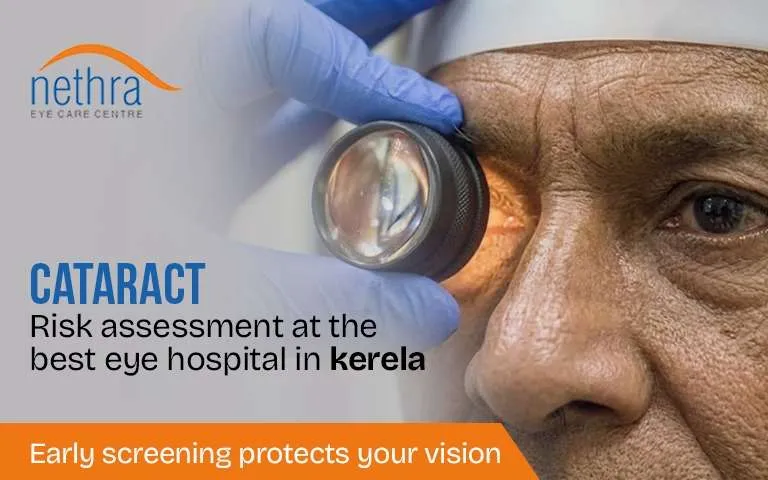
Who Is at Risk of Developing Cataracts?
Cataracts are a leading cause of vision impairment worldwide, but not everyone develops them at the same rate. While aging remains the most common cause, several other factors such as underlying health conditions, lifestyle habits, medications and even genetics can significantly increase the risk. Understanding who is more vulnerable helps in early detection, timely treatment and better prevention. Regular eye examinations at the best eye hospital in Kerala ensure that any early signs of cataracts are identified and managed effectively, helping preserve long-term vision health.
Is Aging the Biggest Risk Factor for Cataracts?
Yes, aging is the primary and most significant risk factor for cataracts. As we grow older, the proteins in the eye’s natural lens gradually begin to break down and clump together, leading to cloudiness. This natural aging process reduces the clarity of the lens, making vision appear blurred or dim.
Common age-related symptoms include:
- Gradual blurring or dimming of vision
- Increased sensitivity to glare, especially from headlights at night
- Difficulty seeing clearly in low-light conditions
- Faded or yellowish color perception
Most individuals above the age of 60 experience some degree of lens opacity, even if it does not immediately affect vision. Regular screening at the best eye hospital in Kerala can help monitor these changes and determine the right time for treatment.
Are People with Diabetes at Higher Risk?
Yes, individuals with diabetes are at a much higher risk of developing cataracts, often at a younger age compared to non-diabetics. Elevated blood sugar levels can cause changes in the lens, leading to swelling and faster clouding.
People with diabetes may:
- Develop cataracts earlier than expected
- Experience rapid progression of lens clouding
- Have both eyes affected simultaneously
- Face additional complications like diabetic retinopathy
Managing blood sugar levels and undergoing regular eye check-ups at the best eye hospital in Kerala are crucial steps in preventing vision loss and slowing down cataract progression.
Can Lifestyle Habits Increase Cataract Risk?
Yes, certain lifestyle choices and environmental exposures can significantly contribute to the development of cataracts over time. These factors often accelerate the natural aging process of the lens.
Major lifestyle risk factors include:
- Smoking, which increases oxidative stress in the eyes
- Excessive alcohol consumption
- Poor diet lacking essential nutrients and antioxidants
- Prolonged exposure to ultraviolet (UV) rays without eye protection
Simple preventive measures such as quitting smoking, wearing UV-protected sunglasses, maintaining a balanced diet rich in vitamins and staying hydrated can make a big difference. Consulting specialists at the best eye hospital in Kerala can also provide personalized lifestyle guidance for eye health.
Do Medications and Medical Treatments Contribute?
Certain medications and medical treatments are known to increase the risk of cataracts, especially when used over a long period.
These include:
- Long-term use of corticosteroids (oral or eye drops)
- Radiation therapy for cancer treatment
- Previous eye surgeries
- Chronic inflammatory eye conditions
If you are on long-term medication, it is important to undergo regular eye evaluations. Experts at the best eye hospital in Kerala can assess your risk and suggest preventive strategies to protect your vision.
Are Eye Injuries and Genetics Risk Factors?
Yes, eye injuries and genetic factors can also play a role in cataract development. Trauma to the eye can damage the lens, leading to what is known as a traumatic cataract. In some cases, cataracts may develop immediately after injury or even years later.
Genetics also influence susceptibility. Some individuals may inherit a tendency to develop cataracts earlier in life. Additionally, congenital cataracts can occur in newborns due to genetic conditions or infections during pregnancy.
Early diagnosis is especially important in children, as untreated cataracts can affect visual development. Visiting the best eye hospital in Kerala ensures timely intervention and proper care for both adults and children.
FAQs
1. Can young adults develop cataracts?
Yes, cataracts can occur in younger individuals due to diabetes, eye injuries, genetic factors, or prolonged medication use.
2. Is cataract risk higher in smokers?
Yes, smoking increases oxidative stress, which damages the lens and accelerates cataract formation.
3. Does sunlight exposure cause cataracts?
Long-term exposure to UV rays without protection increases the risk of cataracts.
4. Are cataracts preventable?
While aging cannot be prevented, healthy lifestyle choices and regular eye check-ups can reduce the risk.
5. How often should at-risk individuals get checked?
At least once a year or more frequently if advised by an eye specialist at the best eye hospital in Kerala.
Conclusion
Cataracts develop due to a combination of factors, including aging, diabetes, lifestyle habits, medications, eye injuries and genetic predisposition. Being aware of these risk factors allows individuals to take proactive steps toward prevention and early detection. Regular eye examinations at the best eye hospital in Kerala play a vital role in identifying changes at an early stage and ensuring timely, effective treatment. Prioritizing eye health today can help maintain clear and healthy vision for years to come.

 Call
Now
Call
Now

