
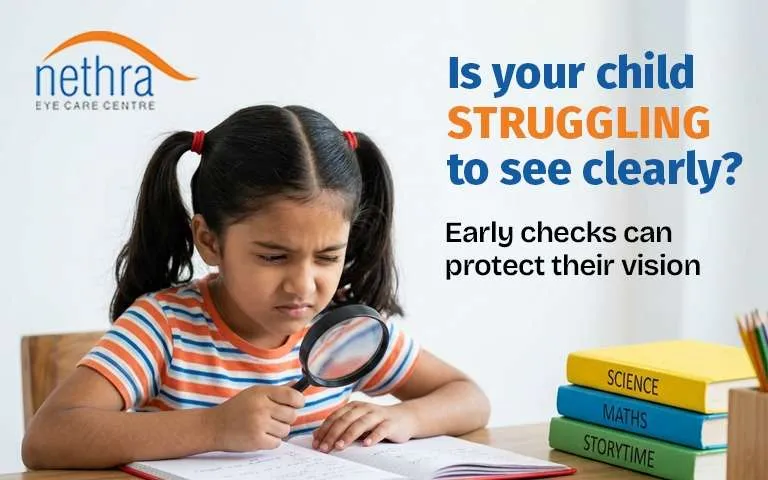
How Can You Tell If Your Child Has Vision Problems Early?
A child’s vision plays a vital role in learning, development and everyday activities. However, children may not always realize or communicate that they are experiencing eyesight issues. Identifying the signs early can help prevent long-term complications and ensure timely treatment. Visiting the Best eye hospital in Kerala can make a significant difference in detecting and managing childhood vision problems before they affect academic performance or daily life.
What Are the Common Signs of Vision Problems in Children?
Children may not complain directly about vision issues, but certain behaviors can indicate a problem. Watch for these signs:
- Frequent eye rubbing without tiredness
- Squinting while reading or watching TV
- Sitting too close to screens
- Complaints of headaches or eye strain
- Difficulty recognizing distant objects
- Excessive blinking
- Poor hand-eye coordination
These signs may suggest that your child needs a professional eye examination.
Why Do Children Often Miss Early Vision Symptoms?
Many children assume the way they see is normal because they have never experienced clear vision. They may adapt to blurry sight without telling parents.
Some reasons include:
- They cannot describe what they are seeing
- Vision changes happen gradually
- They may mistake blurred vision as normal
- Younger children may not understand that something is wrong
This is why routine eye checkups are essential.
How Can Parents Observe Vision Issues at Home?
Parents can often notice subtle changes during daily activities. Pay attention if your child:
- Tilts their head to focus
- Covers one eye while reading
- Struggles with schoolwork or reading
- Loses interest in activities requiring focus
- Has trouble catching or throwing objects
These can be early indicators that warrant a consultation at the Best eye hospital in Kerala for expert pediatric eye evaluation.
What Eye Conditions Commonly Affect Children?
Several eye conditions can develop during childhood, including:
- Refractive errors (short-sightedness, long-sightedness, astigmatism)
- Lazy eye (amblyopia)
- Squint (strabismus)
- Color vision deficiency
- Eye infections
- Congenital cataracts
Early diagnosis can improve treatment outcomes and prevent permanent vision loss.
When Should a Child Have Their First Eye Checkup?
A child’s eye examination should begin early, even if no symptoms are visible.
Recommended schedule:
- At birth: basic eye screening
- 6 months: infant eye checkup
- 3 years: preschool vision assessment
- Before starting school: comprehensive eye exam
- Annually if any issues are detected
Regular visits to the Best eye hospital in Kerala can help ensure your child’s vision develops normally.
Can Vision Problems Affect a Child’s Learning?
Yes, uncorrected vision issues can impact learning significantly. Children rely heavily on sight for reading, writing and classroom interaction.
Possible effects include:
- Poor academic performance
- Lack of concentration
- Difficulty reading the board
- Frequent headaches during study
- Reduced confidence in school activities
Early detection supports both visual health and educational success.
FAQs
1. At what age can children develop vision problems?
Vision problems can appear at birth or develop as the child grows, especially during school years.
2. How do I know if my toddler needs an eye test?
If your toddler frequently rubs their eyes, squints or seems unable to focus on objects, an eye checkup is recommended.
3. Can too much screen time cause vision issues in children?
Excessive screen time can cause digital eye strain and may worsen existing vision problems.
4. Are school vision screenings enough?
School screenings help identify basic issues, but they do not replace a full eye examination by an eye specialist.
5. How often should children have eye checkups?
Children should generally have regular eye exams as advised by an eye specialist, especially if symptoms or family history exist.
Conclusion
Recognizing early signs of vision problems in children is crucial for their overall development, confidence and academic growth. Parents should stay alert to subtle behavioral changes and ensure routine eye screenings even when no symptoms are obvious. Choosing the Best eye hospital in Kerala ensures access to specialized pediatric eye care, helping protect your child’s vision and support a healthier future.

 Call
Now
Call
Now

