
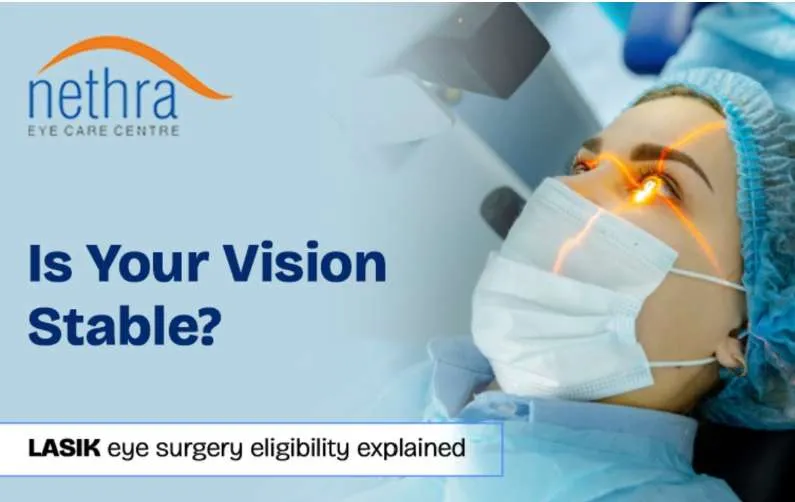
Who Is Eligible for LASIK Eye Surgery?
LASIK (Laser-Assisted In Situ Keratomileusis) is one of the most commonly performed vision correction procedures worldwide. It is designed to reduce or eliminate dependence on glasses or contact lenses by reshaping the cornea using advanced laser technology. While LASIK has helped millions achieve clearer vision, not everyone is automatically eligible for the procedure.
A comprehensive evaluation at a qualified Eye hospital is essential to determine whether your eyes meet the medical and safety requirements. Many individuals prefer consulting the best eye hospital in Kerela to ensure accurate screening, advanced diagnostic testing, and expert guidance before proceeding with surgery.
What Vision Problems Can LASIK Correct?
LASIK is primarily recommended for people with common refractive errors, including:
- Myopia (Near-sightedness) – Difficulty seeing distant objects clearly
- Hyperopia (Far-sightedness) – Difficulty seeing near objects clearly
- Astigmatism – Blurred or distorted vision due to irregular corneal shape
During your consultation at an Eye hospital, advanced tests are performed to measure corneal thickness, curvature, pupil size, and refractive power. These assessments confirm whether your specific vision problem can be corrected safely and effectively through LASIK.
What Are the Basic Eligibility Criteria?
You may qualify for LASIK if you meet the following general criteria:
- Age 18 years or older (ideally above 21 for stable prescription)
- Stable vision for at least one year
- Healthy corneas with adequate thickness
- No active eye infections or inflammation
- No severe dry eye condition
- Overall good general health
A detailed evaluation at the best eye hospital in Kerela often includes:
- Corneal topography (3D corneal mapping)
- Pachymetry (corneal thickness measurement)
- Tear film assessment
- Dilated eye examination
- Detailed refraction testing
These tests help ensure that LASIK is both safe and likely to provide long-term visual improvement.
Who Should Avoid LASIK?
Although LASIK is safe for many people, it may not be recommended for:
- Pregnant or breastfeeding women (due to hormonal vision changes)
- Individuals with thin or irregular corneas
- Patients with uncontrolled diabetes or autoimmune disorders
- People with severe dry eye syndrome
- Individuals with keratoconus or progressive corneal diseases
- Those with unstable vision prescriptions
In such cases, an experienced Eye hospital may suggest alternative treatments such as PRK, SMILE, ICL, or other vision correction options.
What Happens During the LASIK Evaluation?
Before confirming eligibility, specialists conduct a thorough eye health assessment. This process may take 1–2 hours and involves painless, non-invasive tests. The doctor evaluates:
- Corneal structure and thickness
- Eye pressure
- Retinal health
- Tear production
- Overall ocular health
At the best eye hospital in Kerela, modern diagnostic equipment ensures precise measurements, reducing the risk of complications and improving surgical outcomes.
Benefits of Being a Suitable Candidate
If you qualify for LASIK, benefits may include:
- Reduced or no dependence on glasses
- Quick recovery (often within 24–48 hours)
- Minimal discomfort
- Long-lasting results
- Improved quality of life and convenience
However, realistic expectations are important. While LASIK significantly reduces refractive error, age-related vision changes like presbyopia may still occur later in life.
FAQs
1. Is LASIK painful?
No, LASIK is generally painless. Numbing eye drops are used, and most patients feel only mild pressure during the procedure.
2. How long does the procedure take?
The surgery typically takes 15–20 minutes for both eyes. The laser application itself lasts only a few seconds.
3. Is LASIK permanent?
LASIK permanently reshapes the cornea. The results are long-lasting for most patients, though natural age-related changes can occur.
4. Can both eyes be treated together?
Yes, in most cases both eyes are treated on the same day for convenience and faster recovery.
5. Is LASIK safe?
Yes, when performed after proper screening at a qualified Eye hospital, LASIK is considered a safe and effective procedure.
Conclusion
Eligibility for LASIK depends on several important factors, including eye health, corneal thickness, vision stability, and overall medical condition. A proper evaluation at the best eye hospital in Kerela ensures that you receive accurate guidance and safe treatment planning at a trusted Eye hospital.
If you are considering LASIK, scheduling a comprehensive eye examination is the first and most important step toward clearer, glasses-free vision.

 Call
Now
Call
Now

