
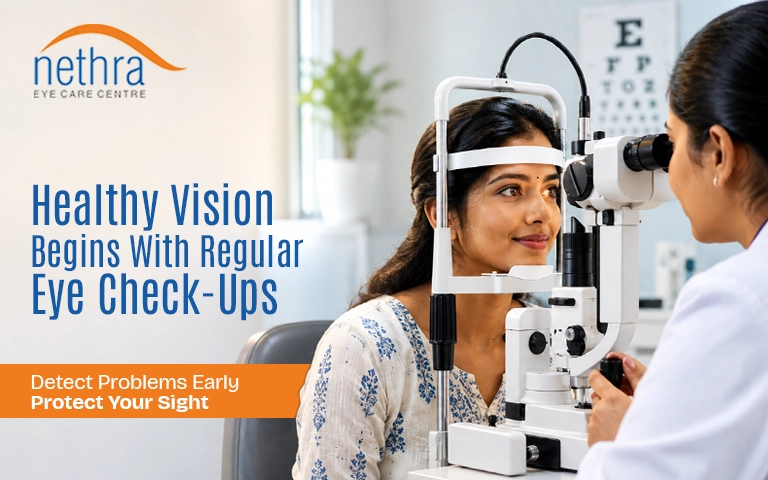
Why Regular Eye Check-ups Are Essential for Healthy Vision
Regular eye check-ups help detect vision problems and eye diseases before they begin affecting daily life. Some conditions cause noticeable symptoms, while others can progress quietly for months or years. This means that seeing clearly today does not always confirm that your eyes are completely healthy.
A comprehensive examination by an Eye Specialist in Thrissur can assess your vision, eye pressure, cornea, natural lens, retina and optic nerve. It may identify refractive errors, cataracts, glaucoma, diabetic eye changes and other concerns at an earlier stage, when monitoring or treatment may be more effective.
Why Are Regular Eye Examinations Important?
An eye examination is not limited to checking whether you need spectacles. It evaluates how well your eyes function and looks for signs of conditions that may affect your vision.
Regular examinations are important because they can:
- Detect changes in spectacle power
- Identify cataracts and monitor their progression
- Assess eye pressure and glaucoma risk
- Detect retinal changes associated with diabetes
- Identify corneal problems and dry-eye disease
- Assess squint and focusing difficulties
- Evaluate age-related changes in vision
- Monitor an existing eye condition
- Check recovery after eye surgery or treatment
Early detection does not guarantee that every condition can be cured. However, it can provide more time to plan appropriate care and protect the vision that remains.
Can Eye Disease Develop Without Symptoms?
Yes. Some eye conditions may develop without pain or obvious changes during their early stages.
Open-angle glaucoma, for example, can gradually affect side vision before a person realises there is a problem. Diabetic retinopathy may also develop before vision becomes noticeably blurred. Early cataracts can progress slowly, allowing people to adapt to reduced clarity, faded colours or glare.
Routine eye screening is particularly important because vision already lost from certain conditions may not be recoverable. An examination can identify subtle changes that may not be visible or noticeable during everyday activities.
Is a Vision Screening the Same as a Comprehensive Eye Exam?
No. A basic vision screening usually checks whether a person can read letters or recognise objects at a particular distance. It may help identify possible refractive errors, but it does not provide a complete assessment of eye health.
A comprehensive eye exam in Thrissur may include vision testing, refraction, eye-pressure measurement, slit-lamp examination and retinal evaluation. Additional imaging or specialised tests may be recommended depending on the patient’s symptoms and risk factors.
A screening can indicate that further assessment is needed. A comprehensive examination helps the ophthalmologist investigate the cause and recommend the appropriate next step.
Who Needs Regular Eye Check-ups?
People of every age can benefit from appropriate eye examinations. The timing and type of assessment should be based on age, symptoms, medical history and individual risk factors.
Infants and Young Children
Children may not recognise or explain that they cannot see clearly. Vision problems during early childhood can affect learning, coordination and visual development.
Parents should arrange an examination if a child:
- Frequently squints or blinks
- Covers or closes one eye
- Tilts the head while looking
- Sits very close to screens
- Holds books close to the face
- Frequently rubs the eyes
- Complains of headaches
- Has difficulty reading or copying from the board
- Appears to have misaligned eyes
Conditions such as refractive errors, squint and lazy eye may respond better when identified during the early developmental years.
Schoolchildren and Teenagers
Schoolwork, smartphones, computers and prolonged near activities can contribute to eye strain. Growing children may also experience changes in spectacle power.
Blurred vision, headaches, poor concentration and difficulty seeing the classroom board should not automatically be blamed on tiredness or screen use. A professional examination can determine whether spectacles, changes in visual habits or further treatment are required.
Working Adults
Adults who spend long hours using digital devices may experience dryness, tired eyes, headaches or fluctuating vision. These symptoms may be related to digital eye strain, but uncorrected spectacle power or another eye condition may also contribute.
Adults should also consider routine examinations if they drive frequently, perform detailed visual work, wear contact lenses or have a family history of eye disease.
Adults Over 40
Age-related changes become more common after 40. Presbyopia can make near work more difficult, while the risk of cataracts, glaucoma and certain retinal conditions may gradually increase.
Regular consultations allow the ophthalmologist to assess both visual needs and the health of the internal structures of the eye.
Older Adults
Older adults may experience cataracts, glaucoma, macular changes, dry eyes or other conditions affecting independence and quality of life.
Difficulty reading, recognising faces, navigating stairs or driving at night should not be accepted as an unavoidable part of ageing. An examination can identify whether treatment, spectacles, visual aids or environmental adjustments may help.
Who May Need More Frequent Eye Examinations?
Some people may require closer monitoring based on their health or eye history.
This includes people who:
- Have diabetes or high blood pressure
- Have a family history of glaucoma
- Use steroid medicines for a prolonged period
- Have high short-sightedness or long-sightedness
- Wear contact lenses
- Have experienced an eye injury
- Have undergone previous eye surgery
- Have an existing retinal, corneal or optic-nerve condition
- Take medicines that may affect the eyes
- Experience recurring headaches or visual disturbances
The examination schedule should be recommended by an ophthalmologist rather than based on a single timetable for everyone.
CTA: Have diabetes, a family history of glaucoma or changing vision? Schedule a preventive eye examination without waiting for symptoms.
What Tests Are Included in a Routine Eye Examination?
The tests performed during an eye consultation depend on your age, symptoms and health history. Common assessments include:
Visual Acuity Test
This test measures how clearly you can see at different distances. Each eye is usually checked separately.
Refraction Test
Refraction determines whether short-sightedness, long-sightedness, astigmatism or presbyopia is affecting your vision. It also helps identify the spectacle prescription that may provide clearer sight.
Eye-Pressure Measurement
Measuring intraocular pressure forms one part of a glaucoma assessment. Normal eye pressure does not completely rule out glaucoma, so the optic nerve and other findings may also need evaluation.
Slit-Lamp Examination
A slit lamp provides a magnified view of the eyelids, cornea, iris and natural lens. It may help identify cataracts, inflammation, corneal changes and other concerns.
Pupil and Eye-Movement Assessment
The doctor may assess how the pupils respond to light and how well the eyes move and work together. This can help identify alignment, focusing or neurological concerns.
Dilated Retinal Examination
Eye drops may be used to enlarge the pupils so the ophthalmologist can examine the retina and optic nerve. Dilation may temporarily cause light sensitivity and blurred near vision.
Additional Imaging and Tests
Depending on the findings, the doctor may recommend optical coherence tomography, retinal photography, corneal topography, visual-field testing or other specialised investigations.
Not every person needs every test. An Eye Specialist in Thrissur will select the assessments appropriate for your symptoms and risk profile.
How Often Should You Have an Eye Check-up?
There is no single examination schedule suitable for everyone. A person with healthy eyes and no risk factors may require a different schedule from someone with diabetes, glaucoma risk or an existing eye condition.
The appropriate frequency depends on:
- Age
- Current vision
- Family history
- General health
- Previous eye surgery
- Use of spectacles or contact lenses
- Existing eye conditions
- Findings from the previous examination
Follow the schedule recommended by your ophthalmologist. Do not postpone an assessment until the next routine visit if you develop new symptoms.
What Eye-Care Habits Can Support Healthy Vision?
Regular examinations work best alongside practical daily habits.
Follow the 20-20-20 Rule
During prolonged screen use, look at something approximately 20 feet away for at least 20 seconds after every 20 minutes.
Blink Regularly
People tend to blink less while concentrating on screens. Conscious blinking may help reduce dryness and irritation.
Maintain a Comfortable Screen Setup
Keep the screen around an arm’s length away, position it slightly below eye level and adjust the brightness to suit the surrounding environment.
Eat a Balanced Diet
Include green leafy vegetables, fruits, eggs, pulses, nuts and other nutrient-rich foods. No single food can prevent every eye condition, but balanced nutrition supports general and eye health.
Wear Suitable Eye Protection
Use UV-protective sunglasses outdoors and protective eyewear during activities involving chemicals, dust, tools or fast-moving objects.
Manage General Health Conditions
Follow medical advice for diabetes, high blood pressure and other conditions that may affect the eyes.
Avoid Self-Medicating
Do not use steroid eye drops, redness-relief drops or someone else’s prescription without professional advice. Incorrect treatment may delay diagnosis or worsen certain conditions.
Which Eye Symptoms Require Urgent Attention?
Regular screening is preventive, but some symptoms require immediate evaluation.
Seek urgent medical care for:
- Sudden loss or reduction of vision
- Severe eye pain
- Sudden double vision
- New flashes of light
- A sudden increase in floaters
- A dark curtain or shadow across the vision
- Eye injury or chemical exposure
- Severe redness accompanied by blurred vision
- Halos, headache, nausea and eye pain
These symptoms should not wait until a routine appointment.
When Should You Consult an Eye Specialist in Thrissur?
Consult an Eye Specialist in Thrissur whenever you notice a persistent change in your vision or eye comfort. You can also schedule an examination when you are due for preventive screening, even if you currently see well.
Nethra Eye Care Centre provides comprehensive and speciality eye-care services, including cataract, cornea, glaucoma, retina, paediatric ophthalmology, squint, oculoplasty, neuro-ophthalmology and refractive care.
Its multidisciplinary team includes specialists working across different areas of ophthalmology. This allows patients to receive an evaluation suited to their particular symptoms and diagnosis.
Patients can access Nethra Eye Care services through its centres in Irinjalakuda, Kodungallur and Mala within the Thrissur district.
Frequently Asked Questions
Do I need an eye check-up if I can see clearly?
Yes. Clear vision does not always mean that the eyes are free from disease. Some conditions may develop without early symptoms, making routine examinations valuable.
Can a regular eye examination detect diabetes?
An eye examination may identify retinal changes associated with diabetes, but it does not replace blood tests or medical assessment. Patients with possible diabetic changes should consult the appropriate healthcare professionals.
Should children undergo eye examinations before school?
An examination can help identify refractive errors, squint, lazy eye and other concerns that may affect learning. Parents should also arrange an assessment whenever warning signs are noticed.
Is an eye-pressure test enough to detect glaucoma?
No. Eye pressure is only one part of a glaucoma evaluation. The ophthalmologist may also examine the optic nerve and recommend visual-field testing, corneal measurements or imaging.
Can I drive after a comprehensive eye examination?
If your pupils are dilated, you may experience temporary blurred near vision and light sensitivity. Consider bringing sunglasses and arranging transportation if dilation is expected.
Protect Your Vision Through Preventive Eye Care
Healthy vision should be monitored throughout life- not only when eyesight becomes blurred. Regular examinations can help identify changes, guide timely treatment and support better visual comfort at every age.
Book a comprehensive eye examination with an experienced Eye Specialist in Thrissur at Nethra Eye Care Centre. Early attention can help you make informed decisions about your eye health and protect your vision for the future.

 Call
Now
Call
Now

